Lip enhancement can be subtle or striking, restorative or aesthetic. In the best hands, lip filler injections improve symmetry, restore volume lost with age, and refine shape without shouting that anything was done. In the wrong hands, they can produce lumps, migration, a telltale shelf, or in rare cases a vascular complication. Choosing the right lip filler provider is the deciding factor between proud lip filler results and an experience you would rather forget.
I have spent years on both sides of the consultation desk, advising patients and mentoring clinicians. The strongest lesson I can share is simple: vetting your lip filler clinic and specialist up front is far easier than fixing problems after the fact. Use the points below to evaluate expertise, safety, product quality, and clinical judgment before you ever book a lip filler appointment.
What counts as a qualified provider
Titles can be confusing. Depending on your location, a lip filler doctor, nurse practitioner, physician associate, or registered nurse may legally perform lip dermal filler injections. Licensure and scope of practice matter, but they are only the start. You want a professional who treats lips routinely, understands perioral anatomy cold, and has a clear protocol for emergencies.
Ask how many lip augmentation procedures they perform in a typical week or month. High-volume injectors build pattern recognition. A provider who completes 10 to 20 lip filler treatments per week will have a more consistent technique than someone who does a handful each month. Volume alone is not a guarantee of quality, but paired with a strong portfolio and transparent outcomes, it is a meaningful indicator.
Board certification in dermatology, plastic surgery, facial plastic surgery, or a relevant advanced practice field adds confidence. In many regions, advanced training certificates from reputable aesthetics academies are also useful, particularly when they include supervised cadaver anatomy work and ultrasound guidance modules. Do not be shy about asking where they trained for lip injections specifically and how they maintain competency.
The consultation is your proving ground
A proper lip filler consultation sets the tone. You should never feel rushed. Expect a thoughtful discussion of goals, medical history, and facial balance. Bringing reference photos helps, but be open to the provider’s feedback on what your anatomy can support. A seasoned injector will evaluate tooth show, philtral columns, vermilion border integrity, commissure support, and chin projection before recommending a lip plumping treatment or a broader perioral plan.
You should hear a candid explanation of the lip filler procedure, from topical numbing to product choice. The provider should outline the pros and cons of needle versus cannula, where they will inject, whether they will start with structure or volume, and how they will stage treatments if you are seeking a significant change. If you have had prior dermal filler lips treatments, they should assess for migration and discuss whether dissolving lip filler is advisable before adding more.
A competent provider will also speak to risk. They will describe common side effects like bruising and swelling stages over the first 48 to 72 hours, as well as rare but serious risks like vascular occlusion. They should show you their emergency kit and explain their protocol for hyaluronidase use, who they contact for support, and how quickly they can see you if you call after hours with a concern.
Product matters: what is in the syringe
For lip dermal filler injections, hyaluronic acid lip filler is the standard. It is reversible with hyaluronidase and comes in rheologies tailored to shape, structure, or softness. A skilled injector selects specific gels for the zone and goal. For example, a medium-soft HA can add suppleness to the body of the lip, while a slightly firmer gel in micro-aliquots can define the vermilion border without creating a ridge. If you hear vague references to “a generic product,” press for the brand and lot number. Your chart should list them.
Avoid bargain hunting for “cheap lip filler” without details. Authentic product stored properly at controlled temperatures is non-negotiable. Many top rated lip filler brands have tamper-evident packaging. It is reasonable to ask your injector to open the box in front of you and to see the product label. If you are concerned about safety, request the lot sticker be placed in your chart and on your aftercare sheet.
Pricing that indicates professionalism, not corners cut
The lip filler cost or lip injection cost varies by region, brand, and provider expertise. Expect a range between a few hundred to over a thousand per syringe. Some clinics bill by the unit or by the area, but most charge per syringe and may offer lip filler packages when multiple sessions are planned for staging or maintenance.
When comparing lip filler price quotes, evaluate what is included: the consultation, numbing, product authenticity, necessary follow-ups, and an optional touch-up. Very low prices can reflect diluted product, inexperienced injectors, or aggressive upselling later. Very high prices do not guarantee the best lip injections either. Ask for a transparent estimate before treatment begins, including potential add-ons, and whether there are lip filler deals or promotions that still use your injector of choice, not a rotating trainee.
Results you can verify
Before you book, study lip filler before and after photos from your specific injector, not just the clinic’s pooled gallery. Look for consistent angles, similar lighting, and realistic healing time frames. Pay attention to diverse lip shapes and ages in their portfolio. If every result looks the same, that is a style choice, not necessarily a sign of mastery.
One memorable patient came to me after two rounds of “top rated lip filler” elsewhere. She wanted fuller lips but could not articulate why she disliked her results. When I examined her, the issue was ratio and profile, not volume. Previous treatments had pushed the upper lip forward without support at the base, creating a mild projection imbalance. We reversed part of the old filler, supported the philtral base, added a small amount to the lower lip for symmetry, and staged a conservative second session four weeks later. Her lip filler results looked softer and more natural. Sometimes the best lip filler is not more, it is strategic.
Safety protocols that should be visible, not implied
You have a right to see where and how you will be treated. The room should be clean, organized, and set up with sterile supplies. Hand hygiene should be obvious. Your provider should review allergies, especially to lidocaine and to hyaluronidase. If you have a history of cold sores, they should discuss antiviral prophylaxis for lip injection treatment.
Ask how they minimize bruising. Warm hands, gentle technique, an understanding of labial vessels, and when to choose a cannula can all help. Not every case calls for a cannula, and not every case calls for a needle. Good injectors switch tools based on anatomy and target layer.
Most important, ask about complication management. If a vascular occlusion is suspected, how quickly do they act, and do they have hyaluronidase on site in enough quantity to flood the area? Many providers stock hundreds to thousands of units. They should be comfortable discussing the signs of reduced blood flow and their stepwise response, including massage, heat, aspirin guidance when appropriate, and follow-up checks. This is not alarmist, it is professional.
What a thoughtful plan looks like
A personalized plan respects your face, not a trend. Expect your injector to discuss proportions, such as the relationship of the upper to lower lip and the harmony with your nose and chin. If you are seeking lip filler for thin lips, the plan may start with subtle lip filler to build structure before chasing volume. If wrinkles and lipstick lines are your main concern, microdoses at the border and support for the perioral area may matter more than bulk in the body of the lip.
For patients after a natural lip filler look, I often suggest a staged approach. An initial 0.5 to 1.0 mL can prime the tissue, followed by a review at two weeks and a second pass at four to eight weeks if needed. Spacing treatments reduces swelling risk and lets you adjust course based on how you heal. If someone promises a huge transformation with a single, large syringe in a single visit for a first-time lip, be cautious. Lips are dynamic and unforgiving when overfilled.
How long lip fillers last and how often you need them
Hyaluronic lip injections typically last 6 to 12 months in the lips, sometimes shorter in highly animated talkers or in athletes with high metabolism. Structure placed at the border may hold a bit longer than soft volume in the wet-dry junction. Plan for a lip filler touch up at 6 to 9 months if you prefer a steady look, or wait for full regression and repeat annually if you like a reset pattern.
Maintenance also depends on the product’s crosslinking and your tissue biology. Heavier gels are not always better in lips. They can create stiffness or migration over time. Discuss lip filler longevity as part of your plan and budget, rather than being surprised when your lip plumping injections soften at the half-year mark.
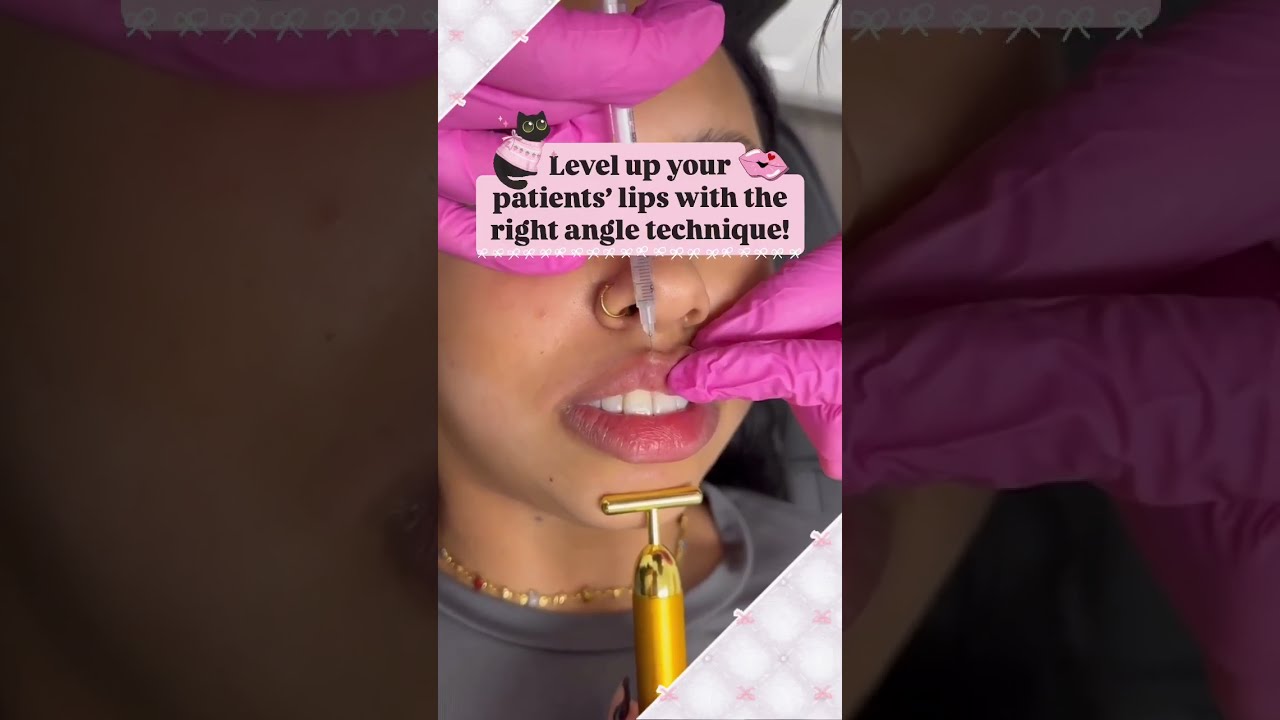
" width="560" height="315" style="border: none;" allowfullscreen="" >
When dissolving filler is the right move
Migration, a shelf above the vermilion border, palpable lumps, or a “duck” tilt are common reasons for lip filler correction. Skilled providers are comfortable with lip filler removal or https://batchgeo.com/map/morristown-nj-lip-filler partial reversal using hyaluronidase. Dissolving lip filler is a targeted art, not an admission of failure. It restores a clean canvas so that subsequent lip dermal filler treatment can sit correctly.
Expect a candid conversation about trade-offs. Hyaluronidase breaks down both the filler and a small amount of your native hyaluronic acid. Swelling is common for 24 to 48 hours. Most patients tolerate this well, and the tissue rebounds. A rest period of 1 to 2 weeks before re-filling is typical, though some cases call for longer.
Comparing options: lip filler vs lip flip and other alternatives
A lip flip uses neuromodulator at the upper lip to relax the orbicularis oris and roll a bit more pink tissue forward. It offers a subtle change, lasts 6 to 10 weeks, and does not add volume. It can complement a small lip filler for shape without looking done. For barcode lines or deep perioral wrinkles, energy devices, skin-boosting microdroplet HA, or microneedling with biostimulatory cocktails may be better than bulk filler alone.
Your provider should explain these alternatives. If every question loops back to buying more filler, that is a sales script, not a treatment plan.
What to ask before you say yes
Use this brief checklist during your lip filler consultation to keep the conversation anchored on expertise and safety.
- How many lip augmentation procedures do you perform each week, and can I see your personal lip filler before and after portfolio with consistent angles? Which hyaluronic acid lip filler brands do you use for structure and for volume, and why are they suitable for my goals? What is your plan if you suspect a vascular occlusion, and do you keep enough hyaluronidase on site to manage it immediately? Will you map my anatomy and explain where you will place product, using needle or cannula, and how you will minimize bruising and swelling? What is included in the lip filler price, how many follow-ups do you offer, and what is your policy on touch-ups or minor asymmetry correction?
Red flags that should slow you down
The most preventable complications happen when people ignore their instincts. A clinic that is evasive about credentials, dismissive of risk, or cagey about product sourcing is not a place to get injections. If the consultation feels like a rush to the register rather than a clinical discussion, step back. Natural results come from precision and restraint, not speed.
- Prices far below the regional norm without clear explanation, or pressure to pay for multiple syringes up front. No emergency kit visible, vague answers about hyaluronidase, or statements like “we have never had a complication” used to shut down risk discussion. Only stock photos or borrowed lip injection results, with no verifiable cases from your injector. Refusal to disclose product brand, lot, or to open the box in front of you. Pushback when you ask for time to think, or incentives that expire within hours to force a same day lip filler decision.
The day of treatment and what you should experience
A professional lip filler provider will reconfirm consent and your goals before starting. They will cleanse thoroughly, mark landmarks if needed, and apply a careful numbing plan. Expect real-time communication. You may be asked to sit up for contour assessment between passes. Ice is used strategically, not continuously, to avoid vessel spasm Morristown NJ lip filler in critical moments.
Your injector will palpate for even distribution, smooth edges, and symmetry from multiple angles, not just front-on. The most artful work involves leaving certain micro-areas intentionally underfilled to maintain softness in animation. Novices tend to chase millimeter-level symmetry at rest and end up creating stiffness when you smile. Trust the provider who values a living face over a ruler.
At the end, you should receive lip filler aftercare guidance in writing: no heavy exercise or saunas that day, no dental work for at least two weeks, hands off the lips beyond gentle patting, and guidance on managing bruising. They should circle warning signs to watch for, including increased pain out of proportion, blanching, or mottled discoloration. You should have a direct line to the clinic for urgent questions.
Swelling, healing time, and what is normal
Lip filler downtime is brief for most people. Expect a visible swell for 24 to 72 hours, sometimes longer after a larger build or if you bruise easily. Arnica, bromelain, and cold compresses can help, though their benefits vary. Hydration and sleep matter more than most people realize. Typical lip filler swelling stages start with a puffy day one, a peak or plateau in the next 24 hours, and steady settling over the week. Fine-tuning asymmetry is best judged at two weeks when tissues have relaxed.
A small number of patients get temporary bumps or firmness where micro-boluses were placed. Gentle, guided massage from your injector can help. Avoid self-massaging unless instructed. If you have any delayed tenderness, nodules, or unevenness a few weeks out, schedule a review rather than waiting months in frustration.
How much filler you actually need
Most first-time lip dermal filler treatments use 0.5 to 1.0 mL. Patients seeking a substantial augmentation might need 1.0 to 1.5 mL staged over two visits. More than that in a single session is rarely wise. The lips accept volume in layers. A conservative start is not a sales tactic, it is tissue-respecting practice. Your injector should explain exactly how much lip filler is planned and why. They should also make clear when topping up is an option versus when it risks stiffness or migration.
Why “near me” only matters after you find the right “who”
Typing lip filler near me or lip injections near me is a practical starting point, not the endpoint. Proximity matters for convenience and for follow-ups, but quality trumps distance. I have had patients drive two hours for a thoughtful plan, then transition maintenance to a local injector I vetted with them. If you love a provider’s aesthetic but worry about travel, ask how they schedule reviews, whether virtual check-ins are available, and how they manage urgent concerns for out-of-town clients.
Insurance, consent, and records you should keep
Cosmetic lip plumping services are almost always self-pay. That said, responsible clinics maintain robust records. Your chart should include your medical history, consent form, product brand and lot, injection map, and post-care plan. Ask for a printed or digital summary. If you ever need lip filler reversal elsewhere, these details help the next provider act quickly and safely.
The follow-up that proves you chose well
Great clinics invite you back within 10 to 14 days to assess settling and function. This is where refined providers shine. They resist the urge to over-correct on day one, preferring to fine-tune with micro-aliquots later if you need them. You should feel heard at this visit. If an injector insists everything is perfect when you are pointing to a clear issue in the mirror, that mismatch will not improve with time.
Follow-ups are also your chance to discuss maintenance. If you are pleased, consider a gentle reminder system to revisit at the six or nine month mark, before a big event or seasonal photos. Planning beats panic appointments before holidays.
A practical path to vetting, step by step
If you feel overwhelmed, organize the process into a few deliberate moves.
- Shortlist three providers based on credentials, personal lip injection results galleries, and word-of-mouth from people whose lips you admire. Schedule consultations, bring reference photos, and take notes on product choices, technique, and emergency protocols. Compare lip filler price quotes apples-to-apples, confirming what is included, and ask how they manage touch-ups and minor asymmetries. Choose the provider who balances aesthetic judgment, safety transparency, and communication style, not the cheapest or the flashiest. Start conservatively, book a two-week review, and reassess before adding more. Keep your records and note how the results feel in motion, not just at rest.
Final thoughts from the chair
Good lip filler requires restraint, anatomical fluency, and an honest conversation about what will look right on your face. The best lip injections feel like you, only fresher. When you vet a lip filler provider with the same care you would use for a surgeon or a dentist, you stack the deck in your favor. Look beyond marketing to the habits that signal real professionalism: personalized planning, verifiable outcomes, clean technique, genuine discussion of risk, and predictable follow-up. Get those right, and your lip filler experience becomes what it should be, a quick lip filler treatment with thoughtful aftercare, minimal downtime, and results that make you smile without giving away your secret.